Weed and Adderall: What Mixing Them Actually Does
The obvious enzyme theory was tested in people and failed. What remains is a cardiovascular question and two drugs pulling in opposite directions.
Read more
Miracle Leaf® Blog
Patient guides, qualifying-condition explainers, and state-by-state medical marijuana updates from the Miracle Leaf editorial team.
Patient Education
Our medical writers and clinical reviewers compile state requirements, qualifying health conditions, and program guidelines.
Explore patient guides, qualifying-condition explainers, and state-by-state medical marijuana updates.
The obvious enzyme theory was tested in people and failed. What remains is a cardiovascular question and two drugs pulling in opposite directions.
Read moreMore articles
Most antibiotics have no cannabis interaction. Rifampin cut THC metabolite exposure 90 percent in a human study. Which ones matter and which do not.
Gabapentin skips the liver enzymes cannabis uses, so there is no metabolic interaction. The real concern is additive sedation and an FDA breathing warning.
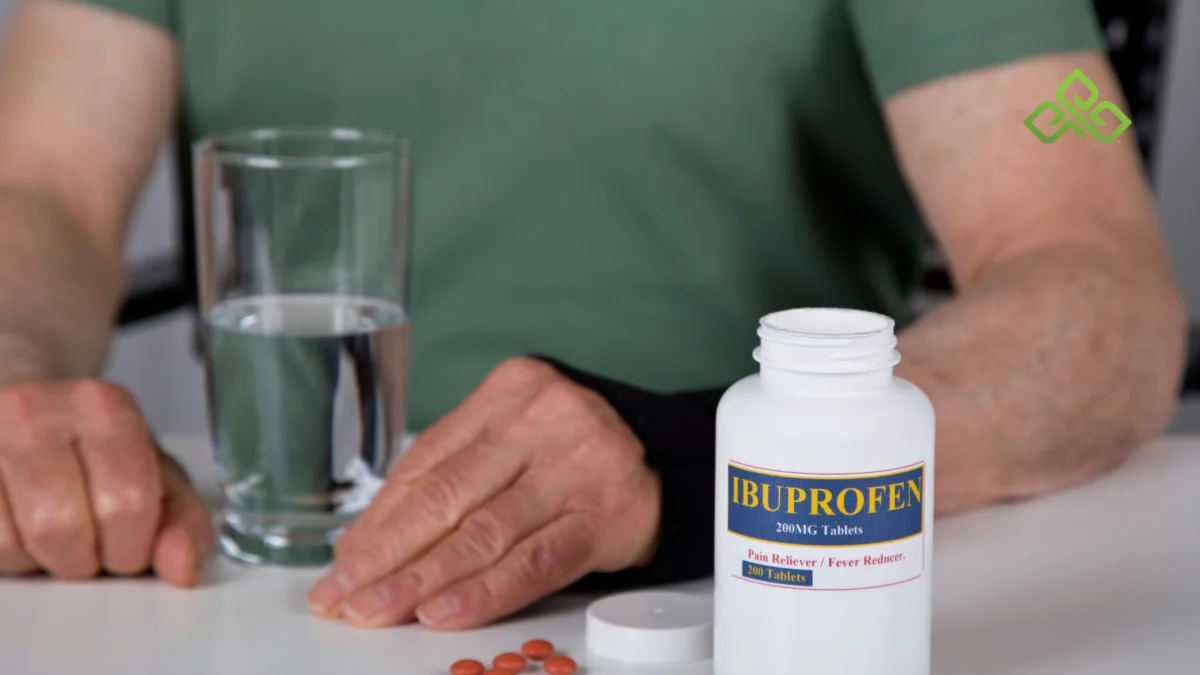
No published study has measured ibuprofen blood levels in people using cannabis, so anyone quoting a precise number for that pairing is inventing it. What does exist is a randomized crossover trial in 18 healthy adults using losartan as a CYP2C9 probe, the same enzyme that clears ibuprofen. A high dose cannabidiol product raised losartan exposure by 63 to 77 percent. A 20 mg THC product did not. That result points the concern at the cannabidiol content of a product rather than the THC, which is the opposite of what most patients expect.
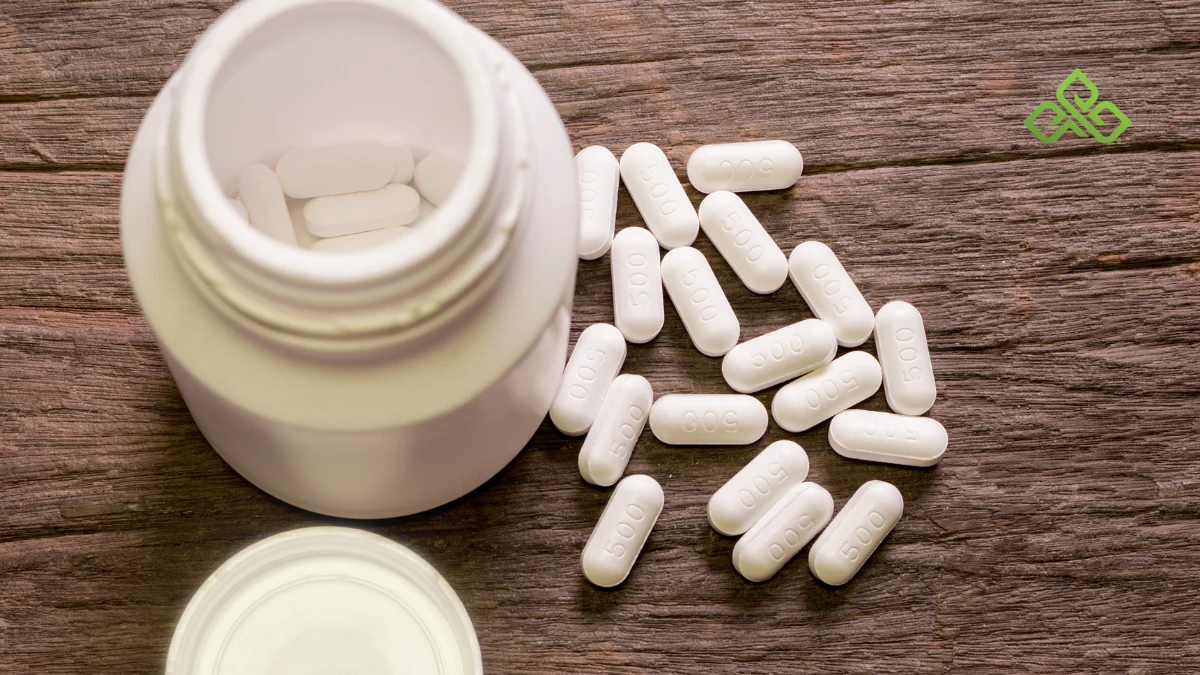
Acetaminophen and CBD share a liver pathway. CBD inhibits the exact enzymes Tylenol depends on, and human data now shows that inhibition is real.
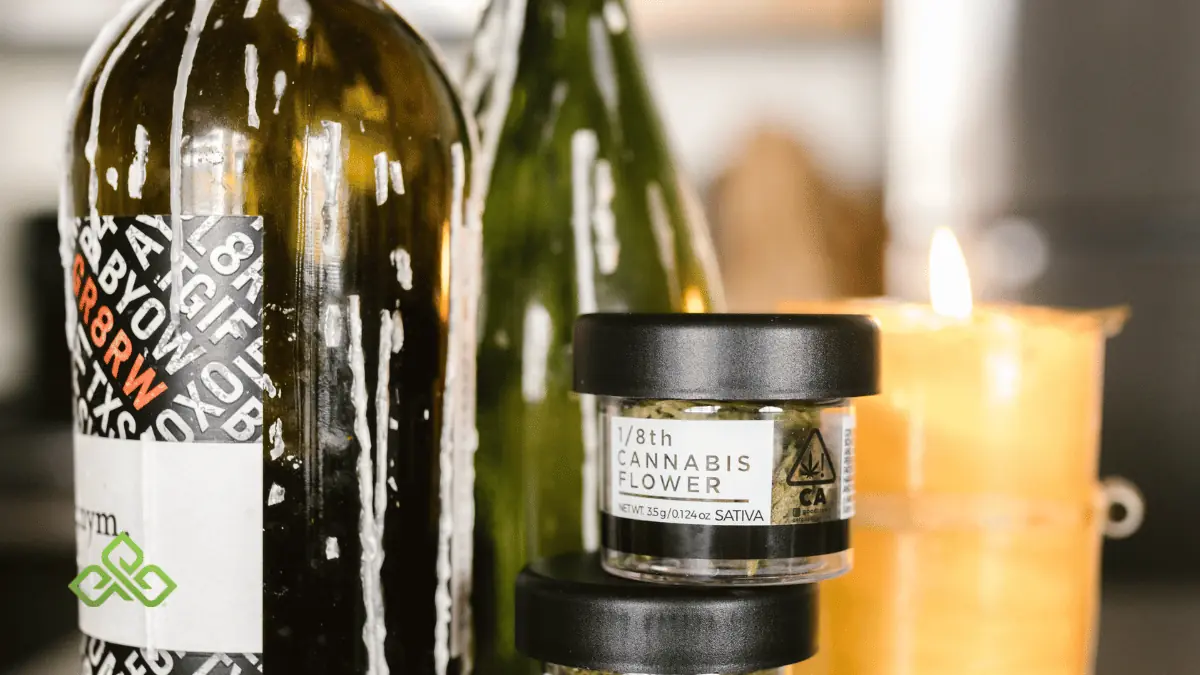
Drinking alcohol alongside cannabis is not simply doing two things at once. In controlled dosing studies, alcohol significantly raised peak blood THC, and at the higher cannabis dose it raised it by more than half. On the road the two combine worse than either alone: in a case control study of fatally injured drivers, testing positive for both carried an adjusted odds ratio of 25.09 against 16.33 for alcohol alone and 1.54 for cannabis alone. Here is what the pharmacology shows, how strong the crash evidence actually is, and what the driving law says in Florida, Georgia, and Texas.
Nobody has ever run a pharmacokinetic study of cannabis with alprazolam, so anyone quoting a precise number for that pairing is inventing it. What does exist is rigorous data on cannabidiol with clobazam, which is also a benzodiazepine. In healthy volunteers, CBD raised the active clobazam metabolite roughly 3.4-fold. In the FDA trials, sedation ran 46 percent in patients taking both against 16 percent on cannabidiol alone. The Xanax label separately states that benzodiazepines produce additive CNS depressant effects with other CNS depressants, and it does not mention cannabis anywhere. Here is what the evidence supports and where it runs out.
Cannabis withdrawal symptoms typically begin 24 to 48 hours after stopping and peak between days 2 and 6. Most resolve inside one to two weeks, though heavy users can carry symptoms for two to three weeks or longer, and sleep disturbance often outlasts everything else. The most common symptoms are anxiety, irritability, anger or aggression, disturbed sleep and dreaming, depressed mood, and loss of appetite. A meta-analysis of more than 23,000 regular and dependent users put the overall rate at 47 percent, but that figure moves enormously depending on who is being counted. Here is what the evidence establishes about the symptoms and the timeline, and what it does not.
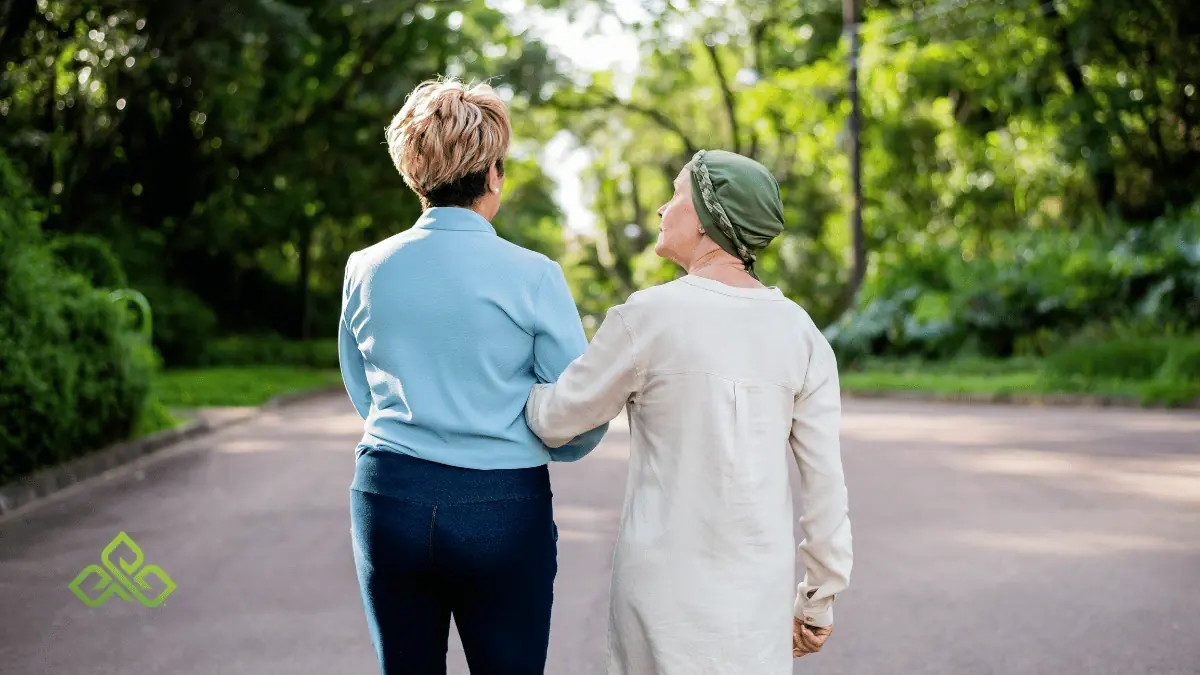
Two things are true at once, and that is why the answers online conflict. Cannabis smoke contains known carcinogens, and California has listed marijuana smoke as a cause of cancer since 2009. Yet the large evidence reviews have not established that smoking cannabis causes lung cancer or head and neck cancer, and the 2017 National Academies report graded the lung evidence as moderate evidence of no association. The one signal that survived pooling is testicular germ cell tumors after more than ten years of use, rated low strength. Here is what the research establishes, what it does not, and why the gap exists.
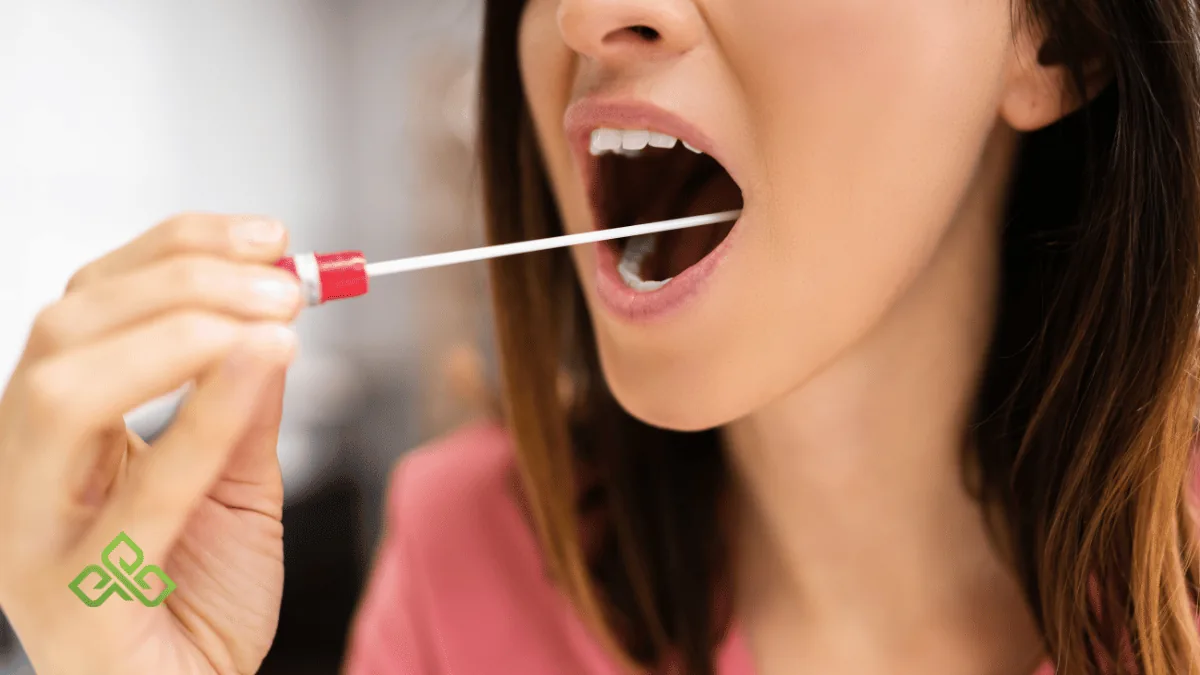
A saliva drug test looks for a different molecule than a urine test, in a different place, for a different reason. It detects parent THC deposited in the mouth during smoking rather than the metabolite your liver produces. The widely repeated answer of 12 to 24 hours is not what the controlled research found. In one study, occasional users fell below the federal cutoff by about 32 hours, while frequent users were still above it at 72 hours when the study ended. Here is what oral fluid testing actually measures, what the federal rules say, and why a positive result does not establish impairment.
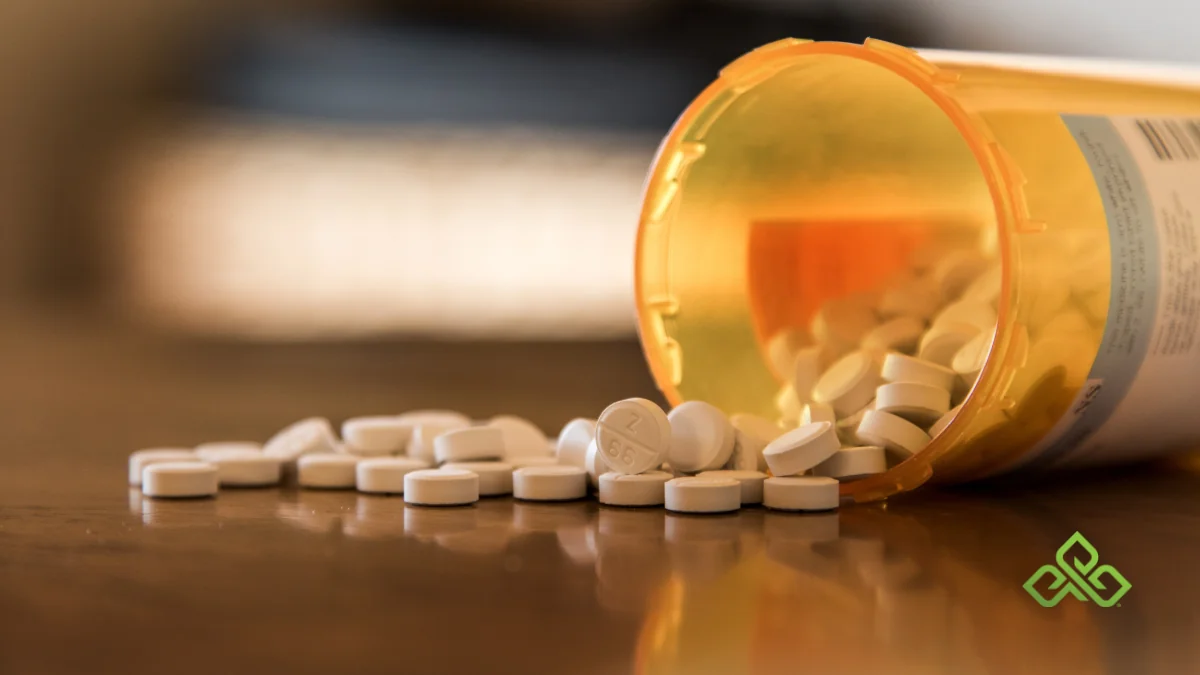
There is no rule that forbids it and no trial that clears it. What exists is a specific, measurable pharmacology problem: THC and CBD inhibit CYP2C19, the liver enzyme that clears sertraline, escitalopram, and citalopram, so the antidepressant can accumulate. A separate and rarer concern is serotonin toxicity, reported in case literature. Neither the Zoloft nor the Prozac label mentions cannabis anywhere, so most prescribers are never prompted to ask. Here is what the pharmacology shows, how strong the evidence actually is, and what to tell your physician before certification.
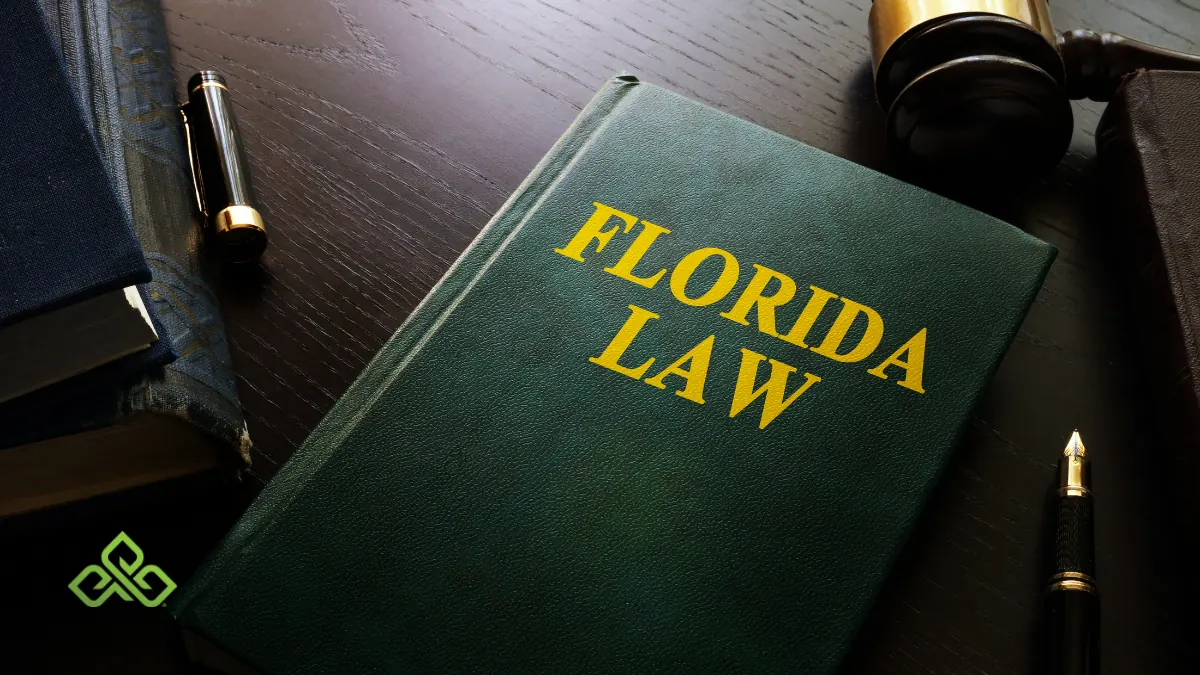
All three are legal to buy and possess in Florida as of August 2026, and all three are legal for the same reason: Florida defines hemp by a single number, a total delta-9 THC concentration of 0.3 percent. Delta-8 is an isomer and THCA is an acid, and the statutory definition of hemp names both categories. Florida has tried three times in three years to tighten that rule and has failed each time, once by veto and twice in committee. The answer has an expiration date, because a federal law already on the books rewrites the threshold on December 11, 2026.
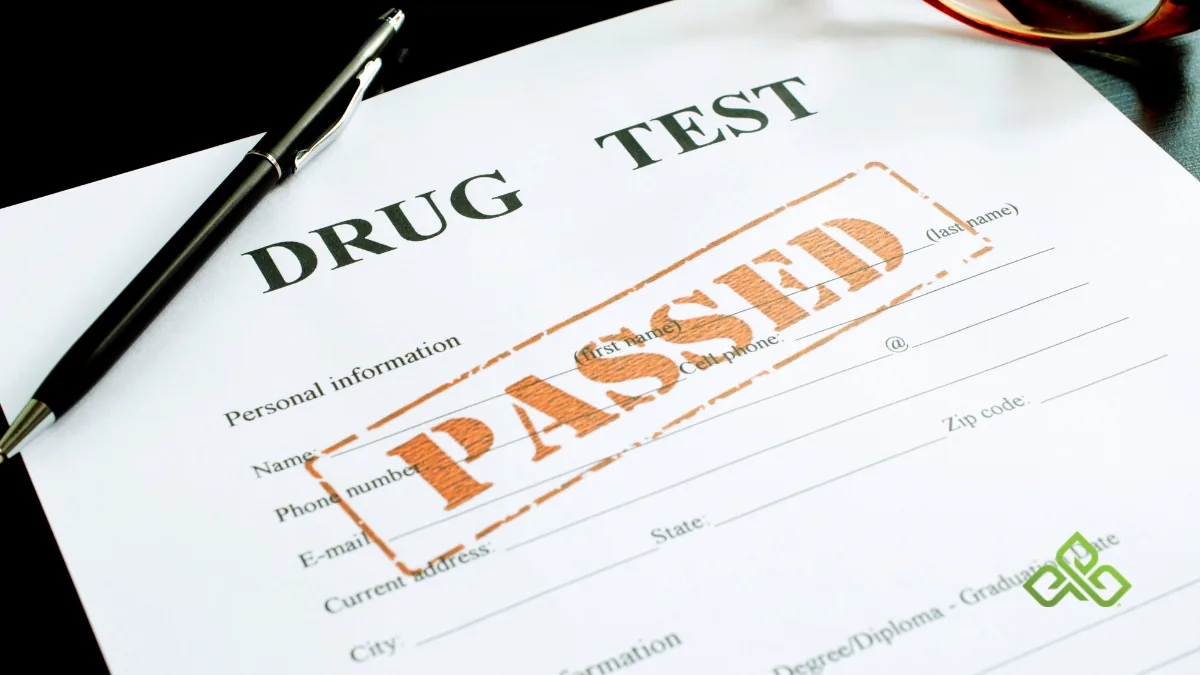
CBD is not what a standard drug test looks for. The test targets a THC metabolite, and controlled human studies found that pure CBD did not produce positive results. The risk comes from what else is in the bottle. Products sold as CBD frequently contain THC that the label does not disclose, and in one study THC was detected in 21 percent of products tested. Here is what the research shows, why labels are unreliable, and what it means for patients in Florida, Georgia, and Texas.
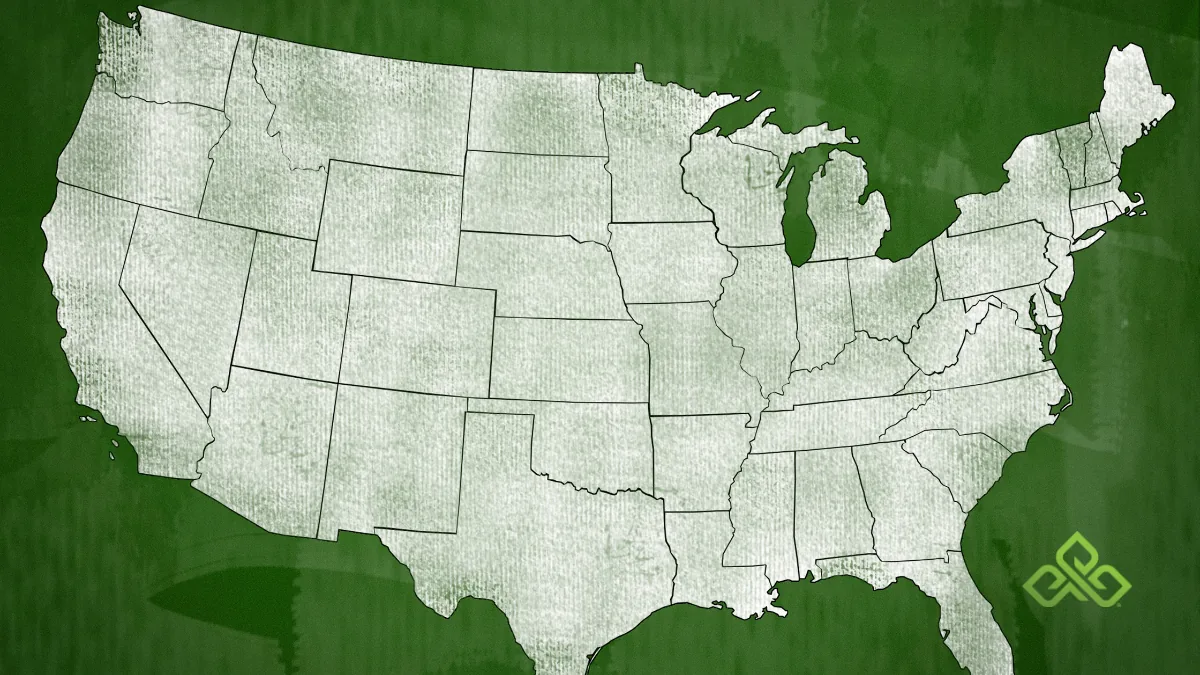
Cannabis is legal for medical use in 41 states and the District of Columbia, and for adult recreational use in 24 states and DC. Eight more states allow only low THC or CBD products, and Idaho has no cannabis access law of any kind. Federal law changed in April 2026, when state licensed medical marijuana moved to Schedule III while everything outside that system stayed in Schedule I. Here is the full 50 state picture, what actually changed this year, and where to start if you need a physician.
On July 31, 2026, Texas began enforcing Schedule I controlled substance definitions that cover manufactured delta-8, delta-10, and THCP. Hemp and hemp-derived products at or below 0.3 percent delta-9 THC by dry weight remain legal, and CBD is unaffected. THCA flower sits in a separate and still contested fight over a Department of State Health Services rule that counts THCA toward the THC total. Here is what actually changed, the court record behind it, what the penalties are now, and what legal routes remain for Texans.
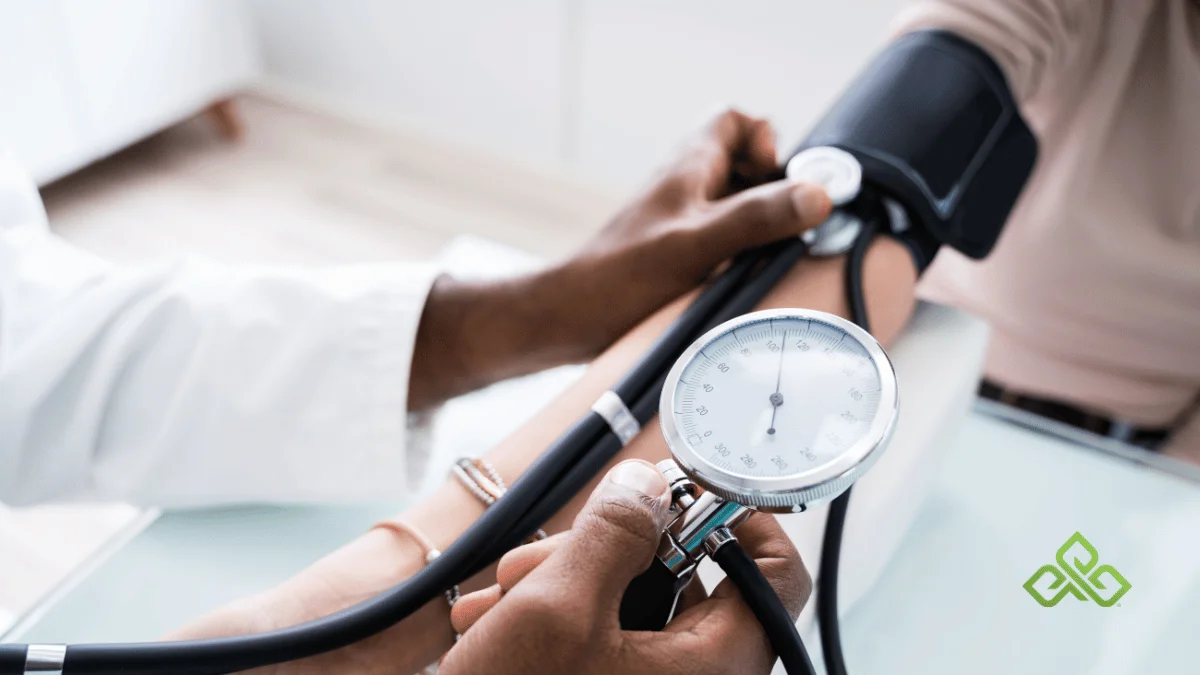
Both yes and no are partly right, which is why the answer is so inconsistent online. Cannabis produces a slight rise in blood pressure while you are lying down and can produce a sharp drop when you stand up. The larger and better documented effect is on heart rate, which can climb 20 to 100 percent for two to three hours. Here is what the research shows, what happens with regular use, and why high blood pressure is not a qualifying condition in any state Miracle Leaf® serves.

The question assumes a three-way choice, and that is why it never gets a satisfying answer. Cannabis produces depressant, stimulant, and hallucinogen-like effects, sometimes in the same session, and the formal classification system used by trained drug recognition experts in all 50 states places it in a category of its own alongside those three rather than inside any of them. Here is what each effect looks like, the receptor mechanism that explains how one substance produces all of them, and why the dose changes the answer.

The 30-day answer repeated across most websites is not well supported by the research. Peer-reviewed elimination studies put the realistic urine detection window at 1 to 2 days after a single use and around two weeks for long-term daily users. Here is what the studies found, what federal drug tests actually measure, and why a state medical card does not protect a positive result.
As of October 9, 2026, Florida's medical cannabis program counts 942,370 patients with an active ID card and 782 licensed dispensary locations. OMMU licenses 49 Medical Marijuana Treatment Centers, 25 of them cleared to dispense, and Trulieve alone runs 170 locations, a 22 percent share. Here are the live program numbers, the top operators by dispensary footprint, and the citation trail back to the Office of Medical Marijuana Use weekly update.
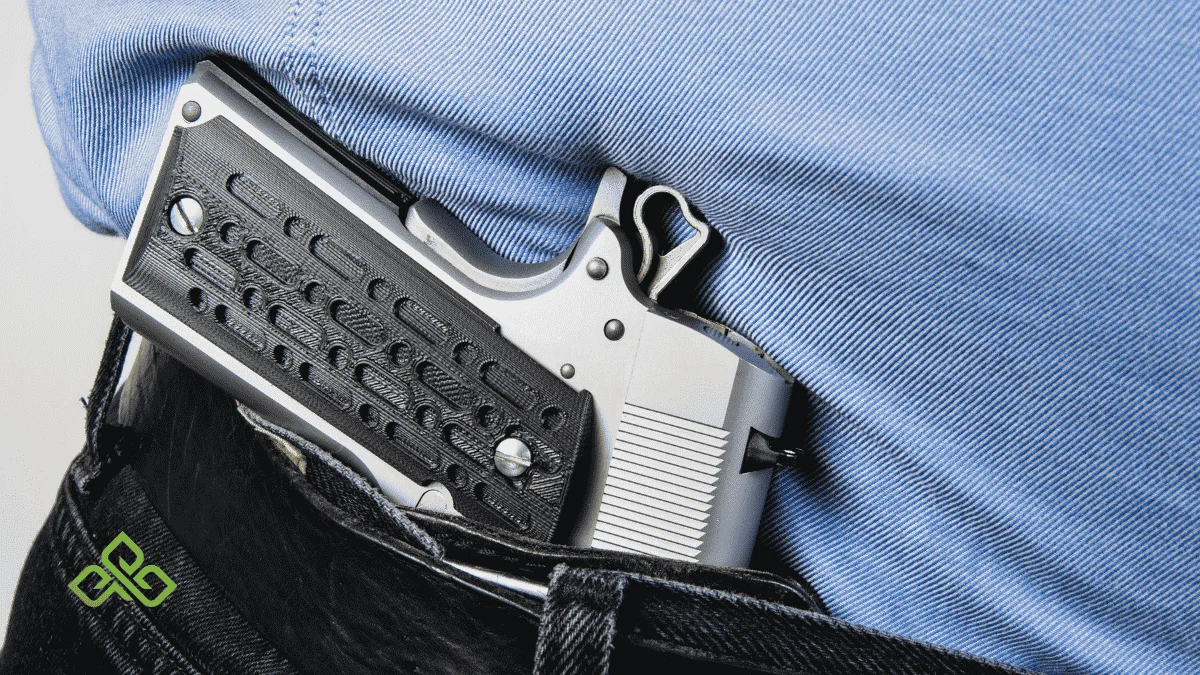
Federal law prohibits firearm possession by medical marijuana patients under 18 U.S.C. section 922(g)(3), even after the April 2026 DOJ rescheduling and even in permitless-carry states like Florida and Texas. The post-Bruen circuit splits are reshaping the law, the Supreme Court is poised to rule in Hemani, but the perjury trap on ATF Form 4473 is real and active today. Here is what patients need to discuss with a Second Amendment attorney before purchasing, possessing, or carrying.

Florida runs a closed-loop medical cannabis program with zero reciprocity for out-of-state cards. Seasonal residents and snowbirds must register directly through the Florida Medical Marijuana Use Registry under section 381.986. Here is the documentation, fee, processing timeline, telehealth recertification pathway, and the Homestead Exemption conflict to discuss with an attorney before applying.
Headlines in May 2026 said the TSA now allows medical marijuana on planes. The TSA's Yes (Special Instructions) listing has been on its website since May 2019. The April 2026 edit deleted two sentences rather than adding a permission, and the agency says its policy has not changed. Delta and Southwest still bar marijuana on their flights, and state law applies at both airports. This post explains what the April 2026 federal rescheduling changed and what the FAA and the airlines say. It also covers the penalties in Florida and Texas and why buying at your destination is the safer path where that is legal.
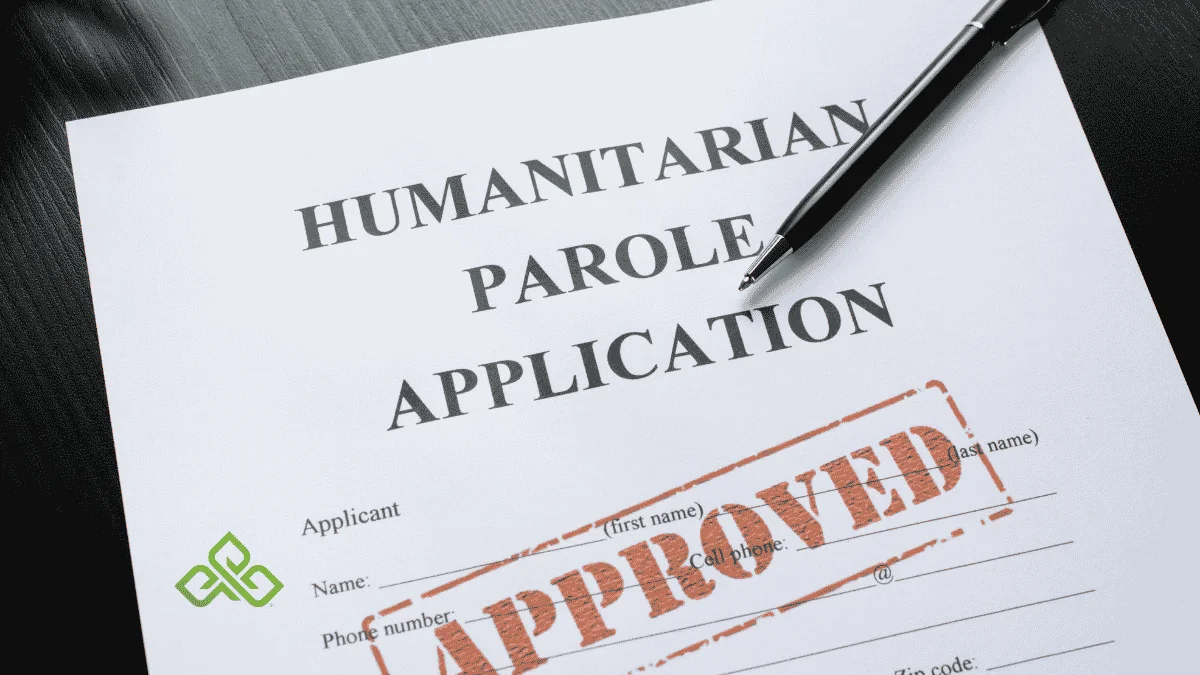
A Florida MMUR card or Texas CURT enrollment does not override the standard probation condition prohibiting controlled substances. Without a signed Motion to Modify Probation issued by the sentencing judge, a positive THC urinalysis or discovery of cannabis triggers a violation of probation, an arrest warrant with a zero-bond hold, and weeks of jail time pending an evidentiary hearing. The legal pathway exists, but it runs through the court that imposed the supervision, not through the clinic.

Federal law prohibits commercial driver's license holders from using marijuana, even with a state-issued medical card. Here is what CDL drivers and their families need to know about DOT testing, the FMCSA Clearinghouse, and the return-to-duty process.

Interest in mental health and medical marijuana in Texas is growing.
The conversation around medical marijuana for mental health treatment in Florida has been evolving.

Dallas voters approved Proposition R, the Dallas Freedom Act, in November 2024. State preemption under HB 2127 and a 2025 injunction left it unenforceable. Here is what actually governs marijuana possession in Dallas in 2026, why the county prosecutor's declination policy is not the shield it appears to be, and how the Texas Compassionate Use Program works.
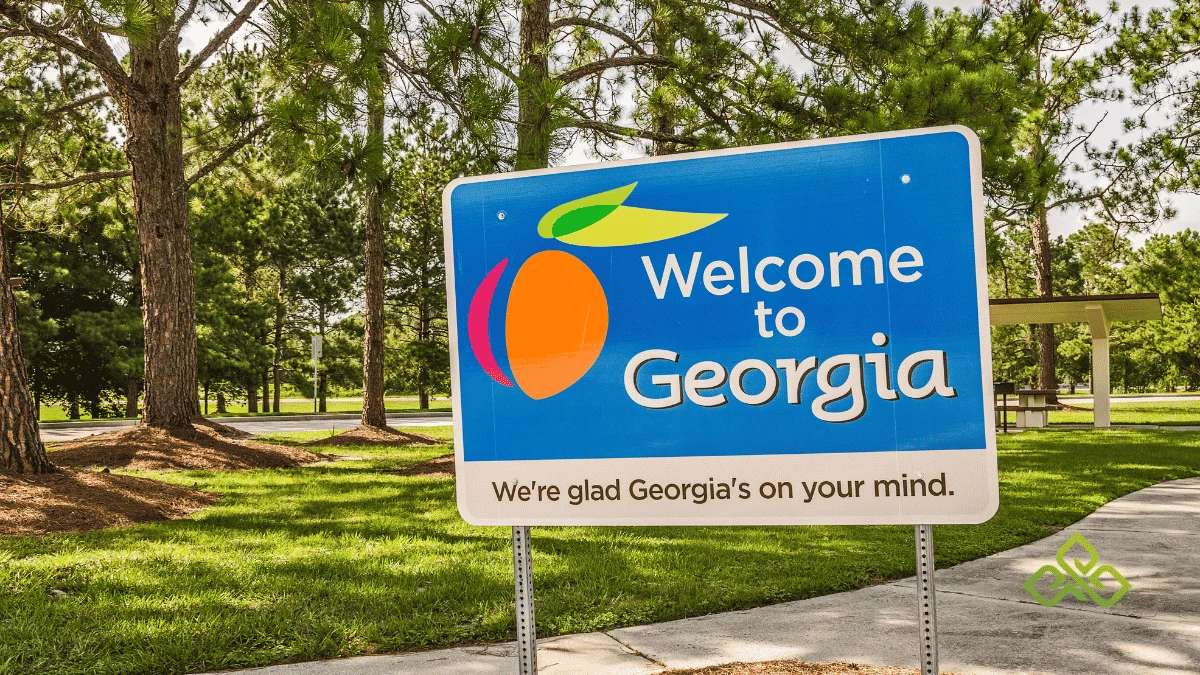
Medical cannabis is legal in Georgia for patients registered with the Department of Public Health, and SB 220 rewrote the rules effective July 1, 2026. Here is what changed, what remains prohibited, how the registry process works from physician certification through card delivery, and why Georgia telehealth rules differ from Florida's.
Texas has 15 licensed medical marijuana dispensing organizations under the Compassionate Use Program after HB 46. They are not recreational dispensaries. Patients still need a TCUP prescription from a registered physician before they can fill an order. This post explains the distinction and the process.
Most patients who struggle with chronic physical or mental health conditions will agree that finding a solution to ease their discomfort is at the top of their priorities.
We use cookies to measure site usage and improve your experience. You can accept analytics cookies or continue with only the cookies required for the site to work.