
Miracle Leaf® Blog
Weed and Antidepressants: SSRIs, Zoloft, and Prozac
There is no rule that forbids it and no trial that clears it. What exists is a specific, measurable pharmacology problem: THC and CBD inhibit CYP2C19, the liver enzyme that clears sertraline, escitalopram, and citalopram, so the antidepressant can accumulate. A separate and rarer concern is serotonin toxicity, reported in case literature. Neither the Zoloft nor the Prozac label mentions cannabis anywhere, so most prescribers are never prompted to ask. Here is what the pharmacology shows, how strong the evidence actually is, and what to tell your physician before certification.
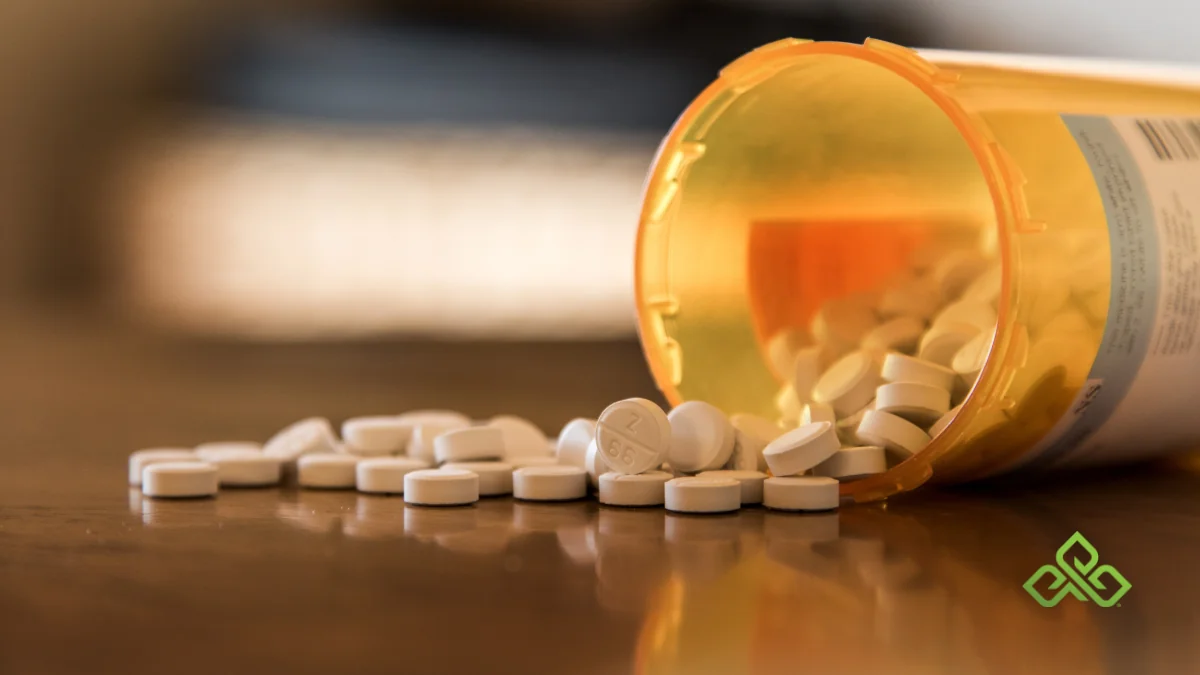
There is no rule that forbids taking weed with an antidepressant, and no trial that clears it. What exists instead is a specific, measurable pharmacology problem. THC and cannabidiol inhibit CYP2C19, the liver enzyme that clears sertraline, escitalopram, and citalopram, so the antidepressant can accumulate above what the prescribed dose would predict. A separate and much rarer concern is serotonin toxicity. Neither the Zoloft nor the Prozac label mentions cannabis anywhere in its text, which means most prescribers are never prompted to ask the question. Here is what the evidence actually shows.
Can You Take Weed and Antidepressants Together?
There is no absolute prohibition, and no clinical trial establishing safety either way.
The combination is already common. In a 2025 analysis of 170,032 adult primary care patients screened for cannabis use in a Los Angeles health system, 17.5 percent reported cannabis use in the prior three months. Among patients carrying a depression or anxiety diagnosis, that rose to between 21.7 and 27.4 percent, against 15.5 percent in other patients. Most of those patients said they used cannabis to manage emotional symptoms, and 47.3 percent of them had a current antidepressant or anxiolytic prescription.
For scale on the other side of the pairing: NCHS Data Brief 528 reports that 11.4 percent of US adults took prescription medication for depression in 2023, 15.3 percent of women and 7.4 percent of men.
So this is not an edge case. It is a routine clinical overlap that the drug labels do not address.
How Does Cannabis Change the Way Zoloft Is Metabolized?
By competing for the same liver enzyme, CYP2C19.
The major cannabinoids are cleared by the same cytochrome P450 enzymes that metabolize most prescription drugs, specifically CYP3A4, CYP2C9, and CYP2C19. Several SSRIs run through the same pathways. Citalopram, escitalopram, and sertraline are metabolized primarily by CYP2C19. Fluoxetine, fluvoxamine, and paroxetine are metabolized by CYP2D6.
Both cannabinoids inhibit these enzymes in vitro, and the potency differs by enzyme. Lower numbers mean stronger inhibition:
| Enzyme | Cannabidiol | THC |
|---|---|---|
| CYP2C19 | 0.30 micromolar | 0.57 micromolar |
| CYP3A4 | 0.38 micromolar | 1.30 micromolar |
| CYP2D6 | 0.95 micromolar | 1.28 micromolar |
That ordering is the practical takeaway. CBD inhibits CYP2C19 roughly three times more potently than it inhibits CYP2D6, which is why the CYP2C19 antidepressants are the ones with the clearer theoretical exposure risk.
How Much Do SSRI Levels Actually Change?
In published modeling, by roughly a third. That figure comes from a simulation, not from measured patient blood levels.
A 2021 paper in the Journal of Personalized Medicine modeled an adolescent CYP2C19 normal metabolizer. The scenario was concurrent THC or low dose over the counter CBD at 5 to 15 mg per day, assumed to cut total body clearance by 25 percent:
| Drug and dose | Half life | AUC change | Peak concentration change |
|---|---|---|---|
| Escitalopram 20 mg daily | 21.3 to 28.3 hours | up 35 percent | up 25 percent |
| Sertraline 150 mg daily | 22.1 to 29.5 hours | up 33 percent | up 26 percent |
Concurrent cannabinoid use also lengthened the time required to reach steady state in both models.
Three caveats travel with those numbers, and they matter. The population modeled was adolescents, using pediatric pharmacokinetic parameters. The 25 percent clearance reduction was an assumption imported from a separate interaction study, not a measurement taken in cannabis users on SSRIs. And a simulated concentration is a prediction, not an observation. The direction of the effect is well supported by the enzyme data. The precise size is not established in adults.
Is Prozac Different From Zoloft Here?
Yes, because the enzyme is different, though that does not make the pairing inert.
Fluoxetine runs mainly through CYP2D6, which cannabinoids inhibit less potently than CYP2C19. But the Prozac label records two facts that complicate the picture.
First, fluoxetine is itself a potent CYP2D6 inhibitor, and about 7 percent of the population are CYP2D6 poor metabolizers to begin with. Second, fluoxetine clears slowly. Its elimination half life is 1 to 3 days after a single dose and 4 to 6 days with chronic dosing. Its active metabolite norfluoxetine runs longer still, with a mean terminal half life of 8.6 days after a single dose and 9.3 days with repeated dosing. The label states plainly that active drug persists in the body for weeks after dosing stops.
That last point has a practical consequence people miss. Stopping fluoxetine on a Friday does not clear it by the weekend.
Can Weed and Antidepressants Cause Serotonin Syndrome?
It has been reported. It is rare, and the case evidence is thin.
The Zoloft and Prozac labels both carry a serotonin syndrome warning stating the risk exists when the drug is taken alone and increases with other serotonergic agents. The labels list examples: other SSRIs, SNRIs, triptans, tricyclic antidepressants, opioids, lithium, tryptophan, buspirone, amphetamines, and St. John's Wort. Cannabis is not on that list.
The clearest published case is a 2024 report in Australasian Psychiatry. A 20 year old man with bipolar disorder, treated with fluoxetine 40 mg, lithium, and melatonin, presented to an emergency department three times in three weeks meeting Hunter Serotonin Toxicity Criteria. Documented signs across the episodes included fever, tachycardia, hypertension, agitation, hyperreflexia, ankle clonus, nystagmus, and diaphoresis. He used oral cannabis oil at 28.5 mg THC per mL and a THC vape pen. He recovered after each episode, and disclosed the cannabis use only retrospectively.
The authors' own stated limitation is the honest read: records were limited and THC levels were never quantified. Their recommendation is procedural rather than prohibitive, that clinicians take a cannabis use history before prescribing serotonergic medication.
A separate 2024 review in Pharmacology Research and Perspectives assessed 20 published cannabis interaction case reports using the Drug Interaction Probability Scale. One involved an SSRI: a 21 year old woman on fluoxetine with marijuana who developed severe mania and psychosis. The reviewers scored it 3, or possible, on a scale where 5 or higher is probable. The reviewers' own listed counterargument was that fluoxetine and CBD both inhibit CYP2D6, offering a competing explanation.
One possible scored case is a signal worth knowing. It is not a demonstrated risk rate.
What Side Effects Get Reported When People Combine Them?
Researchers found five side effects elevated in the combination group, all of them mild.
The same 2021 team mined roughly 15 million FDA Adverse Event Reporting System records and built three mutually exclusive cohorts: patients on CYP2C19 metabolized SSRIs alone (427,932), patients on cannabinoids alone (7,008), and patients on both (421). They then compared the 23 side effects appearing at greater than 5 percent frequency on the sertraline or escitalopram label.
Against SSRI use alone, the combination group showed:
- Cough, 4.97 fold higher
- Diarrhea, 3.33 fold higher
- Fatigue, 3.29 fold higher
- Dizziness, 2.87 fold higher
- Influenza, 2.54 fold higher
Weight gain ran the other way, at 0.24 percent in the combination group against 2.53 percent on the SSRI alone.
Read that carefully. FAERS is a voluntary, spontaneous reporting system. It has no denominator, no verification requirement, and heavy reporting bias. The authors of a separate FAERS analysis noted that its reports are often filed by consumers and lawyers rather than clinicians, with incomplete medication lists. Fold differences in FAERS generate hypotheses. They do not measure how often anything happens.
What About SNRIs Like Effexor and Cymbalta?
Different enzymes, same warning language.
The venlafaxine label states that formation of its active metabolite is catalyzed by CYP2D6, confirmed in a clinical study where CYP2D6 poor metabolizers showed higher venlafaxine and lower metabolite levels. The duloxetine label states that both CYP1A2 and CYP2D6 oxidize the naphthyl ring in vitro. Neither is a primary CYP2C19 substrate, and cannabinoids inhibit CYP2D6 and CYP1A2 less potently than CYP2C19.
Both SNRI labels carry the identical serotonin syndrome warning as the SSRIs: increased risk with other serotonergic agents, but present even when the drug is taken alone.
Why Do the Zoloft and Prozac Labels Not Mention Cannabis?
Because nobody has run the trial that would put it there.
We searched the full FDA structured product labels for sertraline, fluoxetine, venlafaxine, and duloxetine. The words cannabis, marijuana, THC, and CBD appear zero times in any of them. That is not an oversight by the labelers. Label drug interaction sections are built from dedicated interaction studies, and no such study exists for cannabis with any of these drugs.
The consequence is procedural rather than pharmacological. Interaction checkers in electronic prescribing systems are largely driven by label data, so a cannabis and SSRI pairing frequently produces no alert at all. The absence of a warning is not evidence of absence of interaction. It is evidence that the question was never formally asked.
How Strong Is This Evidence?
Weaker than the confident answers online suggest, and the shape of the gap is worth understanding.
The largest real world evidence base is a 2024 systematic review in Frontiers in Pharmacology. It screened 4,600 reports, assessed 151 full texts, and found 31 in which cannabinoids altered pharmacokinetics or produced adverse events. Those 31 reports covered 16 medications across six drug classes, 889 subjects, and 603 cannabis users. In 18 of the 31 reports, or 58 percent, clinicians found an unexpected serum drug level or had to adjust a dose.
Its antidepressant findings involved tricyclics only: two reports covering five patients. Four were adolescents aged 15 to 18 on nortriptyline or desipramine who developed confusion, lightheadedness, racing heart, and hallucinations after smoking cannabis. The fifth was a 26 year old man on imipramine who developed disorientation, restlessness, dizziness, and palpitations several hours after smoking.
Here is the part that gets misreported. That review found no SSRI or SNRI cases because it never searched for them. Its scope was a fixed list of 57 narrow therapeutic index medications, which includes multiple tricyclic antidepressants and not a single SSRI or SNRI. SSRIs are not generally classified as narrow therapeutic index drugs. The silence in that review is a property of the search design, not a finding about SSRI safety.
So the honest summary is three sentences. The enzyme mechanism is well established in laboratory work. The clinical magnitude in adults is modeled rather than measured. The serious adverse outcomes are individual case reports with acknowledged limitations, not rates.
Is Depression a Qualifying Condition in Florida, Georgia, or Texas?
No. Depression is not a listed qualifying condition in any of the three states Miracle Leaf® serves.
- Florida. Fla. Stat. 381.986 enumerates cancer, epilepsy, glaucoma, HIV, AIDS, post traumatic stress disorder, ALS, Crohn's disease, Parkinson's disease, and multiple sclerosis. Depression is absent. Subsection (2)(k) covers medical conditions of the same kind or class as those enumerated, which is a physician judgment about comparability to a listed condition, not a listing for depression.
- Georgia. The Georgia Department of Public Health registry conditions under O.C.G.A. 31-2A-18 include ALS, Alzheimer's disease, autism spectrum disorder, cancer, epidermolysis bullosa, hospice status, HIV stage III, inflammatory bowel disease, intractable pain, lupus, mitochondrial disease, multiple sclerosis, Parkinson's disease, severe peripheral neuropathy, post traumatic stress disorder, seizure disorders, sickle cell disease, and Tourette's syndrome. Depression is absent.
- Texas. Occupations Code 169.003, as amended by HB 46 of 2025, lists epilepsy, seizure disorder, multiple sclerosis, spasticity, ALS, autism, cancer, incurable neurodegenerative disease, post traumatic stress disorder, a condition causing chronic pain, traumatic brain injury, Crohn's disease or other inflammatory bowel disease, and terminal illness or hospice care. The word depression does not appear anywhere in the enrolled bill.
Post traumatic stress disorder is listed in all three states, and many patients who carry a PTSD diagnosis are also prescribed an SSRI. That overlap is the most common way this interaction question reaches a certification appointment. Anxiety is likewise not separately listed in any of the three programs.
Whether cannabis treats depression is a different question from the one this article answers, and it is not addressed here.
What This Means for Florida, Georgia, and Texas Patients
Bring the actual bottle, or the exact drug and dose. Which SSRI matters. Sertraline, escitalopram, and citalopram share the CYP2C19 pathway that cannabinoids inhibit most potently. Fluoxetine and paroxetine do not. That distinction changes the conversation.
Tell the physician who prescribes the antidepressant, not only the certifying physician. The modeled exposure change is a dosing question, and dosing belongs to whoever manages that prescription. A certification appointment is a good moment to trigger that conversation, not a substitute for it.
Flag any change in cannabis use, in both directions. The 2021 authors made this point explicitly: in a stably treated patient, stopping or reducing cannabis may lower sertraline or escitalopram levels just as starting it may raise them. A dose that worked while someone was using cannabis daily is a different dose after they quit.
Do not stop a prescribed antidepressant on your own. Nothing above supports that, and abrupt discontinuation carries its own well documented risks.
Route matters, and nobody has quantified it. Inhaled and oral cannabis produce very different cannabinoid exposure profiles, and the interaction literature has not separated them. Treat the modeled figures as scenario planning, not a per product estimate.
Miracle Leaf® physicians evaluate patients for the Florida, Georgia, and Texas state programs, and the medication list you bring to that visit is part of the evaluation.
What If You Live Outside Florida, Georgia, and Texas?
The pharmacology in this article is not state specific. The certification pathway is.
If you are in a state where medical cannabis is legal but Miracle Leaf has no clinic, the telehealth program covers evaluations in states outside the Florida, Georgia, and Texas footprint. The same guidance applies: bring your antidepressant name and dose to the appointment, and tell the prescriber who manages it.
Sources for Cannabis and Antidepressant Interactions
- The Impact of Marijuana on Antidepressant Treatment in Adolescents: Clinical and Pharmacologic Considerations. Vaughn SE, Strawn JR, Poweleit EA, Sarangdhar M, Ramsey LB. J Pers Med. 2021;11(7):615. doi:10.3390/jpm11070615. PMCID PMC8307883. Source of the enzyme inhibition table, the escitalopram and sertraline pharmacokinetic models, and the FAERS side effect analysis.
- Systematic review of drug-drug interactions of delta-9-tetrahydrocannabinol, cannabidiol, and Cannabis. Nachnani R, Knehans A, Neighbors JD, et al. Front Pharmacol. 2024;15:1282831. doi:10.3389/fphar.2024.1282831. PMCID PMC11167383. Source of the 31 report count, the 58 percent dose adjustment figure, the tricyclic cases, and the 57 drug search list.
- Serotonin syndrome and cannabis: A case report. Nadeem Z, Wu C, Burke S, Parker S. Australas Psychiatry. 2024;32(1):100 to 101. doi:10.1177/10398562231219858. PMCID PMC10809727.
- Part 2: Drug Interactions Involving Cannabis Products in Persons Aged 18 and Over. Chapin MR, Kane-Gill SL, Li X, et al. Pharmacol Res Perspect. 2024;13(1):e70047. doi:10.1002/prp2.70047. PMCID PMC11668913. Source of the Drug Interaction Probability Scale scoring and the fluoxetine case.
- Cannabis use among primary care patients with depression and anxiety disorders. Koerber J, Javanbakht M, Setrakian N, et al. J Cannabis Res. 2025;7:104. doi:10.1186/s42238-025-00354-z. PMCID PMC12752243. Source of the co-use prevalence figures.
- ZOLOFT (sertraline hydrochloride) prescribing information. FDA structured product label, Viatris Specialty LLC, label version effective 8 August 2023. Serotonin syndrome warning at section 5.2 and the serotonergic drug examples at section 7.
- PROZAC (fluoxetine hydrochloride) prescribing information. FDA structured product label, Dista Products Company, label version effective 8 January 2026. CYP2D6 inhibition, the 7 percent poor metabolizer figure, and the fluoxetine and norfluoxetine half lives.
- Characteristics of Adults Age 18 and Older Who Took Prescription Medication for Depression: United States, 2023. Elgaddal N, Weeks JD, Mykyta L. NCHS Data Brief No. 528, April 2025. National Health Interview Survey 2023.
- Fla. Stat. 381.986, Georgia Medical Cannabis Patient Registry conditions under O.C.G.A. 31-2A-18, and Texas HB 46 of 2025 amending Occupations Code 169.003. State qualifying condition lists.
Related Health and Eligibility Resources
- The how long does THC stay in your system post covers detection windows, which is a separate question from metabolism of a co-prescribed drug.
- The is weed a depressant, stimulant, or hallucinogen post covers the pharmacological classification question underneath the receptor effects described above.
- The does weed raise blood pressure post covers the cardiovascular history that belongs in the same pre certification conversation.
- The qualifying conditions page covers eligibility across all three state programs, and each condition page shows whether that condition is listed in Florida, Georgia, and Texas.
- The Florida marijuana laws, Georgia marijuana laws, and Texas marijuana laws pages cover each program and its condition list.
- The medical marijuana for mental health in Florida post covers the eligibility side of the same question for Florida patients already taking an SSRI or SNRI.
- The weed and Adderall post covers stimulants, where the concern is cardiovascular rather than serotonergic.
Talk to a Physician About Your Medication List
Bring the antidepressant name and the dose to the appointment. It changes the evaluation, and in some cases it changes what the physician recommends.
Call (833) LEGAL-MJ or contact us online to book. Evaluation pricing is on the pricing page, and the clinicians who review this content are listed on the editorial team page.
Disclaimer
This post is informational and is not medical advice. It does not evaluate whether cannabis treats depression. The pharmacokinetic figures cited are outputs of a published simulation in an adolescent population that assumed a fixed 25 percent reduction in drug clearance, not measured blood levels in adults using cannabis with an SSRI. The adverse event ratios are drawn from a voluntary reporting system with no denominator and cannot establish how often anything occurs. The serotonin syndrome and mania reports are individual cases whose authors state their own limitations, including unquantified THC exposure. Depression is not a qualifying condition in Florida, Georgia, or Texas. Do not start, stop, or change a prescribed antidepressant based on this article. Discuss cannabis use with the physician who prescribes your medication.
Common questions
Frequently asked questions
Can you take weed and antidepressants at the same time?
Does weed interact with Zoloft?
Does weed interact with Prozac?
Can cannabis and an SSRI cause serotonin syndrome?
What side effects are reported when people combine cannabis with an SSRI?
Do SNRIs like Effexor and Cymbalta have the same issue?
Is depression a qualifying condition in Florida, Georgia, or Texas?
Should I stop my antidepressant if I get certified for medical cannabis?
Ready to talk with a Miracle Leaf® physician?
Reviewed by Miracle Leaf® Editorial Team. This article is for general education and is updated when the underlying law or clinical guidance materially changes.