
Miracle Leaf® Blog
Tylenol and Weed: The Liver Question Nobody Studied
Acetaminophen and CBD share a liver pathway. CBD inhibits the exact enzymes Tylenol depends on, and human data now shows that inhibition is real.
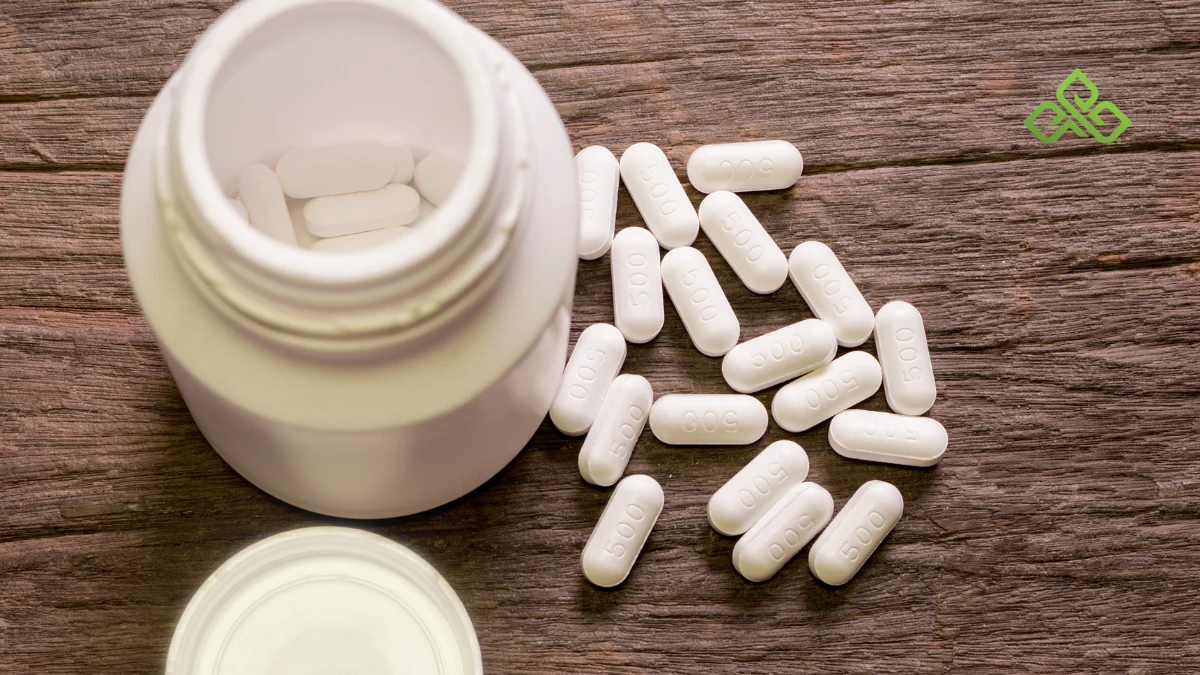
Most of the interaction questions in this series run through the cytochrome P450 enzymes. Acetaminophen mostly does not. It is cleared primarily by glucuronidation, a different disposal system, and that turns out to make the question more interesting rather than less, because cannabidiol inhibits several of the exact enzymes that perform it.
No study has measured cannabis with acetaminophen in people. What follows is a mechanism, some in vitro numbers, one human signal on a related drug, and one animal study. It is presented as exactly that.
Can You Take Tylenol and Weed Together?
There is no documented interaction in humans and no study has looked directly.
There is, unusually for this series, a specific and plausible mechanism, and it concerns the liver. Whether it matters at ordinary acetaminophen doses is unknown. The mechanism suggests it would matter most where acetaminophen is already near its limit, which is also where acetaminophen is dangerous on its own.
How Is Tylenol Actually Cleared?
Acetaminophen glucuronidation by UGT1A1, UGT1A6, UGT1A9 and UGT2B15 is the main biotransformation pathway. Only a minor fraction of the drug is oxidized to N-acetyl-p-benzoquinone imine, usually written NAPQI, a highly reactive metabolite.
That minor fraction is the entire safety story of acetaminophen. NAPQI is what damages the liver in an overdose. Under normal conditions the body neutralizes the small amount produced. The danger arises when either too much drug is present or the main glucuronidation route cannot keep up, because the excess is then pushed down the oxidative path.
Hold that structure in mind, because it is what makes the next section matter.
Does Cannabis Inhibit Those Enzymes?
In laboratory testing, yes, and cannabidiol is the more active of the two major cannabinoids here.
Measured binding corrected inhibition values put cannabidiol's strongest effects on UGT1A9 at 0.12 micromolar, UGT2B4 at 0.22 micromolar, UGT1A6 at 0.40 micromolar and UGT2B7 at 0.82 micromolar. A separate in vitro measurement reported cannabidiol reducing UGT1A9 activity by 49 percent and UGT2B7 by 70 percent.
Compare that list against the acetaminophen list. UGT1A9 and UGT1A6 appear on both. Cannabidiol's single most potent UGT target is an enzyme acetaminophen depends on.
Is There Human Evidence, or Only Test Tubes?
There is a human signal, and it is worth being precise about what it does and does not show.
In the randomized crossover trial of 18 healthy adults described in the ibuprofen article, one measured outcome was not a cytochrome P450 result at all. The cannabidiol dominant product reduced the ratio of dextrorphan glucuronide to dextrorphan by 44 percent, and reduced its formation clearance by 55 percent. The authors read this as UGT inhibition rather than CYP2D6 inhibition, since the parent drug's own exposure was unchanged.
That is human, in vivo evidence that cannabinoids meaningfully inhibit glucuronidation at realistic oral doses. It was measured on a cough suppressant metabolite, not on acetaminophen. So it establishes that the mechanism operates in people. It does not establish the size of the effect on acetaminophen, which nobody has measured.
What About the Animal Data?
One study reported that coadministering a cannabidiol rich cannabis extract with acetaminophen produced alterations in the livers of aged female mice.
Treat that carefully. It is a mouse study in a specific age and sex group, using an extract rather than a defined dose, and animal liver findings translate to humans unreliably. It is worth one sentence because it is the only study that has put these two substances together at all, and it is worth no more than one sentence because of everything just listed.
Does CBD Affect the Liver on Its Own?
This is the part that makes the combination worth thinking about rather than dismissing.
Pharmaceutical cannabidiol carries documented liver enzyme elevations. The prescription product's labeling addresses hepatocellular injury and the need for liver chemistry monitoring, and the risk is greater at higher doses and alongside other drugs that burden the liver.
So the concern is not only "does cannabidiol slow acetaminophen clearance." It is also that acetaminophen is the most common cause of drug related liver injury and cannabidiol independently shows a liver signal. Two demands on the same organ is a different proposition from either one alone, even without a measured interaction between them.
This applies to high dose cannabidiol products far more than to a typical THC dominant one. A person using a concentrated cannabidiol tincture daily is in a different situation from someone who occasionally smokes.
What Is the Practical Advice?
Most of it is advice that holds regardless of cannabis, which is a sign of where the real risk sits.
Stay inside the labeled acetaminophen dose. Watch for acetaminophen hidden inside combination products, since cold and flu remedies and some prescription pain medications contain it and stacking them is a common way people exceed the limit without intending to. Regular alcohol use raises acetaminophen liver risk on its own.
Then the cannabis specific part. If you use a high cannabidiol product daily and you also take acetaminophen regularly, that is the combination this mechanism actually points at, and it is worth raising with a physician. Occasional use of either alongside the other is a much weaker case, and nothing here supports treating it as dangerous.
What This Means for Florida, Georgia, and Texas Patients
Acetaminophen on a medication list is not a barrier to certification in any of the three programs. Miracle Leaf® physicians review the list as part of the evaluation, and the useful detail is how much and how often rather than whether.
Chronic pain qualifies in all three states, covered on the chronic pain page. Program specifics are on the Florida marijuana laws, Georgia marijuana laws, and Texas marijuana laws pages, and certification is covered on the Florida, Georgia, and Texas pages.
What If You Live Outside Florida, Georgia, and Texas?
Miracle Leaf® operates clinics in Florida, Georgia, and Texas and offers telehealth evaluations in additional states. The telehealth page covers which states are served, and the states where cannabis is legal post covers the national picture.
Sources for Cannabis and Acetaminophen
- Inhibition of UDP-Glucuronosyltransferase Enzymes by Major Cannabinoids and Their Metabolites. Source of the binding corrected cannabidiol inhibition values for UGT1A9, UGT2B4, UGT1A6 and UGT2B7.
- Evaluation of Cytochrome P450-Mediated Cannabinoid-Drug Interactions in Healthy Adult Participants. Bansal S, et al. Clin Pharmacol Ther. 2023;114(3):693 to 703. doi:10.1002/cpt.2973. PMCID PMC11059946. Source of the human dextrorphan glucuronide reduction of 44 percent and formation clearance reduction of 55 percent, and of the authors' reading of that result as UGT rather than CYP2D6 inhibition.
- Potential Pharmacokinetic Drug-Drug Interactions between Cannabinoids and Drugs Used for Chronic Pain. Source of the acetaminophen glucuronidation pathway via UGT1A1, UGT1A6, UGT1A9 and UGT2B15, the minor NAPQI oxidation route, and the mouse study of a cannabidiol rich extract with acetaminophen.
- Potential Adverse Drug Events and Drug-Drug Interactions with Medical and Consumer Cannabidiol (CBD) Use. Source of the cannabidiol UGT1A9 and UGT2B7 activity reductions and of the clinically relevant dosing context.
- Cannabinoid-Induced Inhibition of Morphine Glucuronidation and the Potential for In Vivo Drug-Drug Interactions. Supporting evidence that cannabinoid UGT inhibition affects other glucuronidated drugs.
Related Health and Eligibility Resources
- The cannabis drug interactions hub covers which interactions are documented and which are repeated without evidence; acetaminophen clears by a different pathway again.
- The cannabis and ibuprofen post covers the other common over the counter pain reliever, where the enzyme is CYP2C9 and the mechanism is different.
- The cannabis and alcohol post is relevant here, since alcohol independently raises acetaminophen liver risk.
- The cannabis and gabapentin post covers the prescription pain medication most often taken alongside these.
- The chronic pain page covers eligibility in all three programs.
Talk to a Physician About Your Medication List
Bring how much acetaminophen you take and how often, and the cannabidiol milligrams in whatever you use. This is one of the few questions where the cannabidiol number is the more important of the two.
Call (833) LEGAL-MJ or contact us online to book. Evaluation pricing is on the pricing page, and the clinicians who review this content are listed on the editorial team page.
Disclaimer
This post is informational and is not medical advice. No published study has measured cannabis with acetaminophen in humans. The enzyme inhibition values cited are in vitro measurements and do not translate directly to blood levels in a person. The human glucuronidation finding cited was measured on dextrorphan, not acetaminophen, and its size does not transfer. The animal finding is a mouse study in aged female animals using an extract rather than a defined dose. The pathway described, in which impaired glucuronidation shifts acetaminophen toward NAPQI, is established acetaminophen pharmacology; that cannabis produces this shift to a clinically meaningful degree in people is not established and is presented here as a mechanism rather than a finding. Acetaminophen liver injury risk exists independent of cannabis and rises with dose, with regular alcohol use, and with unintentional stacking of combination products. Do not exceed labeled acetaminophen dosing. Discuss cannabis use with your physician.
Common questions
Frequently asked questions
Can you take Tylenol and weed together?
Does cannabis affect how Tylenol is broken down?
Is there human evidence that cannabis inhibits these enzymes?
Why does glucuronidation matter for Tylenol specifically?
Does CBD itself affect the liver?
Is any of this proven in people taking Tylenol?
What is the practical advice?
Ready to talk with a Miracle Leaf® physician?
Reviewed by Miracle Leaf® Editorial Team. This article is for general education and is updated when the underlying law or clinical guidance materially changes.